What the Road Actually Teaches You
Speed was never the point. The case for taking the long way, and for a car that makes it worth taking.
Somewhere past the third hour, the conversation in the car changes. The first hour is logistics: fuel, route, whether you took the right turn back at the servo. The second hour is small talk, the kind that fills space without meaning much. It’s the third hour, usually, when people stop performing and start actually talking. There’s something about a long, uninterrupted stretch of road that does this to people. Maybe it’s the lack of eye contact. Maybe it’s just time.
We say this every time someone asks why a driving trip is worth the effort when flying would get you there faster: speed was never the point.
The Case for the Long Way
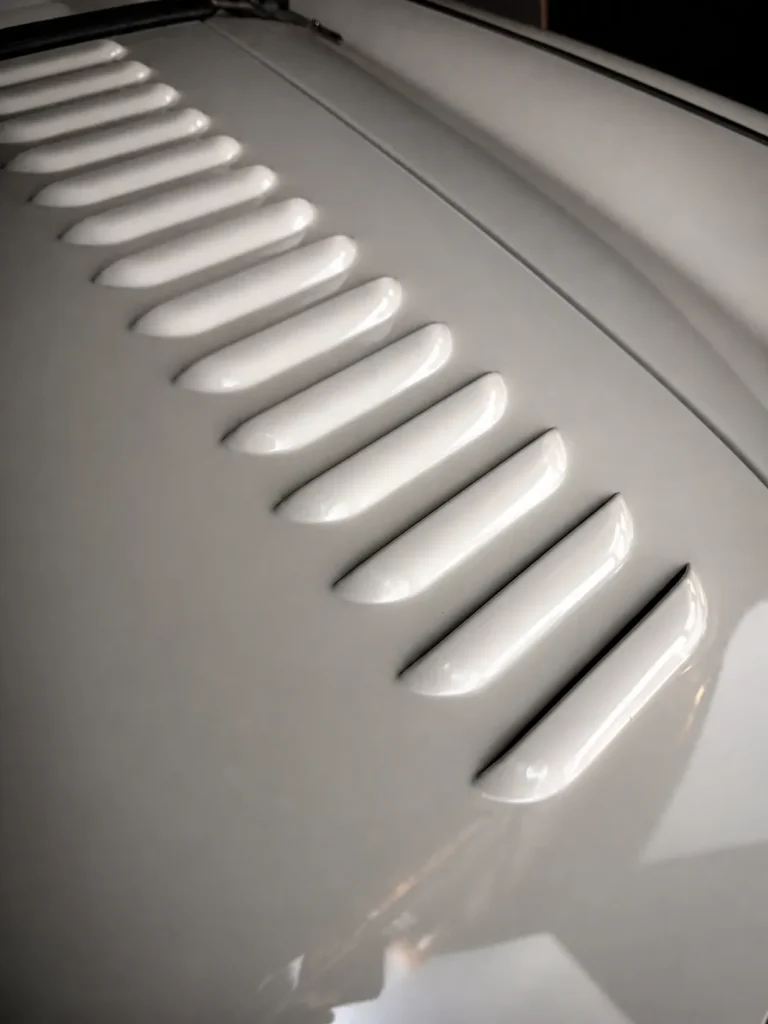
Efficiency is easy to justify and hard to defend once you’ve actually done the alternative. A direct flight gets you to a destination. A drive gets you through everything in between: the towns too small to have a name on the main map, the diner that’s been serving the same three items since 1974, the stretch of coastline that no itinerary would have flagged as worth stopping for, except you’re already there and the light is doing something interesting.
None of that shows up in a “why to visit” list. It only shows up if you’re moving slowly enough to notice it.
The Car Matters, but Not for the Reason You’d Think
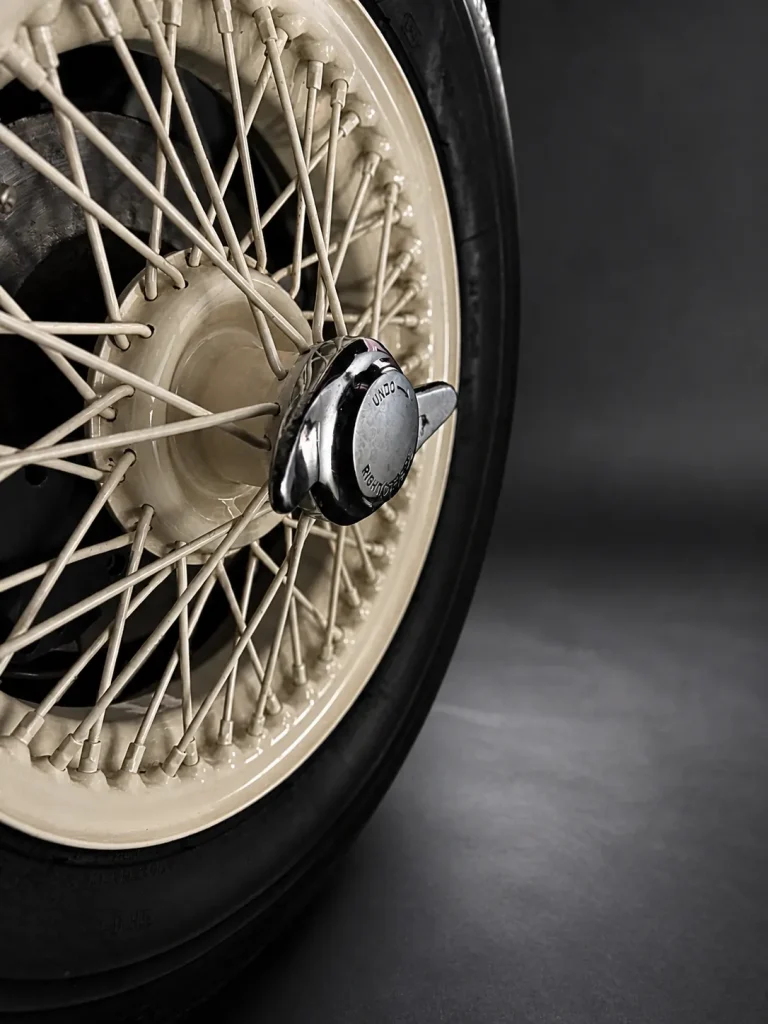
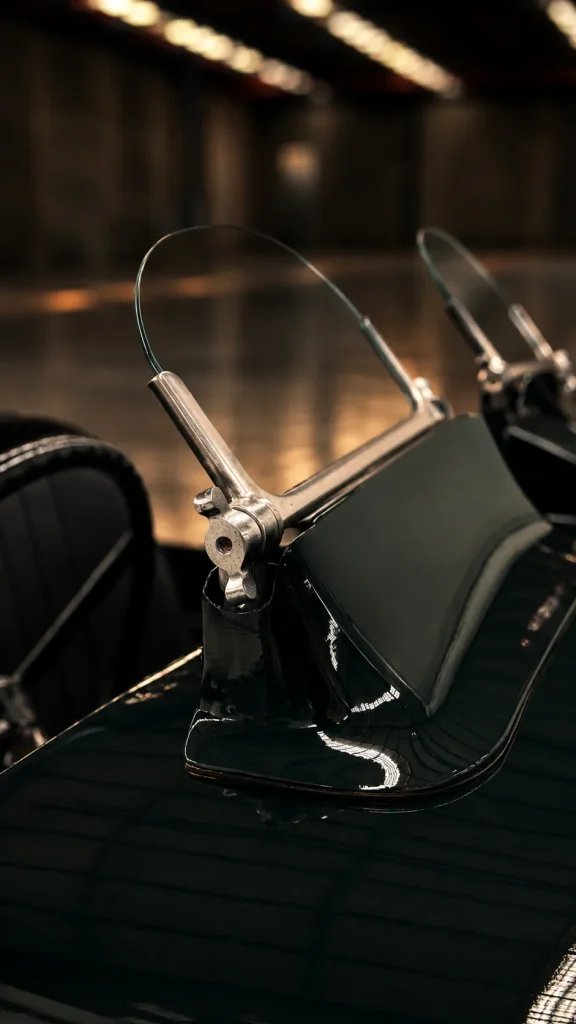
People assume a good driving car is about performance: how it handles a corner, how it responds under load. That matters, but it’s not really why the right car makes a long drive better. It’s the smaller things: a seat that doesn’t punish you after six hours, a cabin quiet enough that conversation doesn’t require raising your voice, controls that stay intuitive after the ninth hour of a two-day drive when your attention is thinner than it was that morning.
The best touring cars disappear a little.
The best touring cars disappear a little. Not literally. You still feel every input, still know exactly what the car is doing. But the effort of driving stops being something you’re managing and becomes something you’re barely aware of. That’s when the trip actually starts, somewhere around the point you stop thinking about the car and start thinking about everything outside it.
Arriving Somewhere You Didn’t Plan to Stop
Every good drive has at least one unplanned stop that ends up being the one people remember. Nobody plans for it. That’s part of what makes it work. You see something out the window, or the fuel gauge gives you an excuse, and twenty minutes turns into two hours because the place turned out to have more in it than the map suggested.
That’s the actual argument for the drive over the flight. Not romance, not nostalgia. Just the plain fact that you can’t stumble onto anything unplanned at thirty-five thousand feet. The road gives you room to be surprised. Most other ways of travelling don’t.